
How Unbuilt uses AI images
to help the construction industry re-use more.
Construction's image problem
The construction industry generates a lot of leftover goods, but reuses only a small fraction of them. One reason is that online buyers need to know what a product will look like once it's installed in their home or business, and sellers often struggle to provide pictures that give them that confidence.
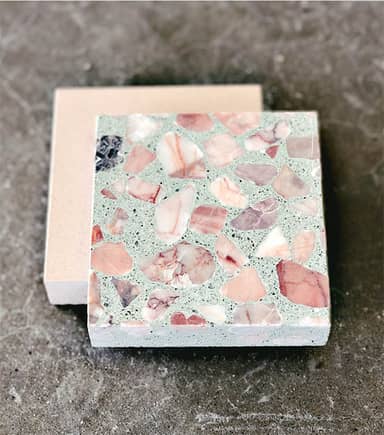
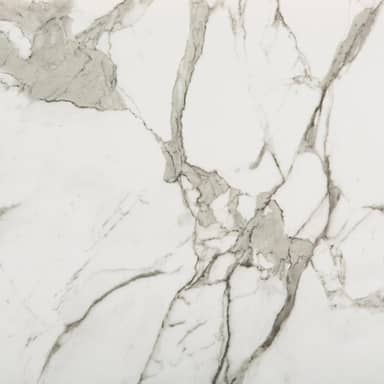
Many construction goods are bought from brick-and-mortar distributors, where buyers purchase in person and detailed photographs aren't needed or don't exist. Products that are sold online often come in variants or custom configurations that aren't pictured, and photos go out of date when models change. Subtle finishes and textures are also hard to convey in a thumbnail.
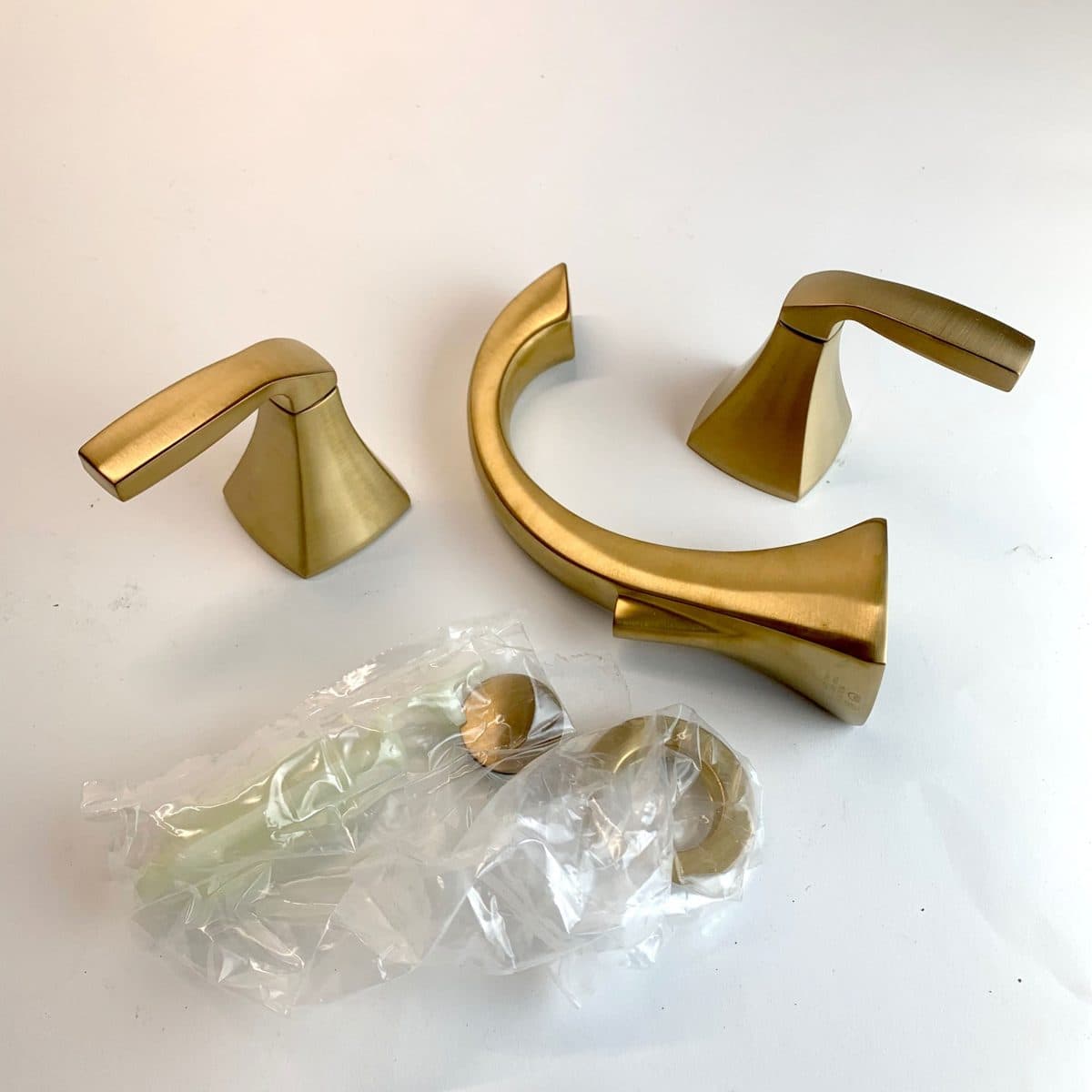
That leaves resellers to take new photographs of the items they have, if they want buyers to understand a product well enough to buy it. But these items are usually stored on job sites or in warehouses, disassembled and packed in boxes or crates. They can't easily be staged without unboxing, assembling and partly installing them, which takes time and money and risks losing parts or damaging the item. That friction stops many sellers from trying, and holds back the ones who do. The result is fewer sales and more items going to landfill.
How AI helps
The environmental and economic costs of AI have raised legitimate concerns. One use that is clearly good for the environment and for affordability is helping buyers and sellers complete more resale transactions for building goods, which saves waste and natural resources and lowers costs.
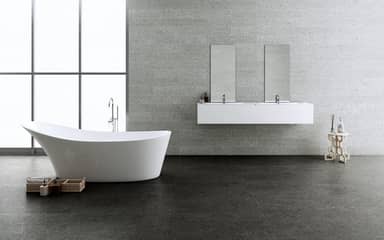
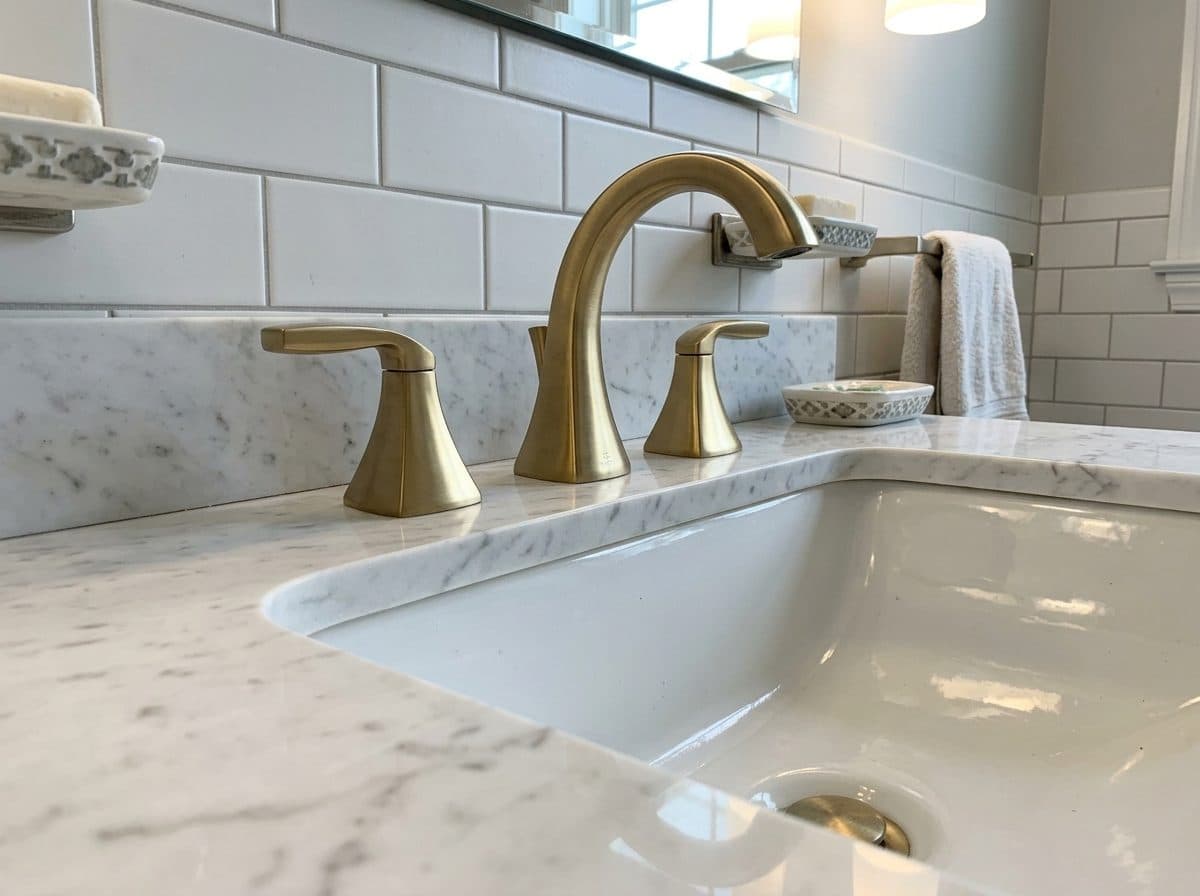
Today's image models are increasingly good at interpreting the geometry and materials of an object and rendering it from different angles and in different settings. That is the capability needed to show a product well, even when the available photos lack the detail of a fully staged shoot. Turning those imperfect photos into realistic, accurate pictures saves time and avoids the risk of loss or damage, which lowers the final cost to buyers and earns more for sellers.
How we use AI
We use AI to help create pictures for some of the products Unbuilt lists and sells itself. Each one is labelled “AI Enhanced” in its caption.
- Our process typically starts with real photos taken in our warehouse.
- We give one or more of those photos to an image model, along with the product's specifications, such as its dimensions.
- The model generates several images.
- A person picks the best match and compares it with the original product photo and with any other publicly available pictures of the product, which may show it from other angles or in other lighting.
- Where needed, the image is retouched.
Limitations
Official product photos taken in professional studios often look different from the same product installed in a real room, in different light. Our images are no different: they are representations of what a product will look like, not documentation of it.
- Details may vary slightly. The listing's condition notes describe the actual unit, including any marks or missing parts. Read them before you buy.
If you want more assurance about what an item will look like:
- Look at the other photos on the listing, where there are any.
- Visit the manufacturer's website for more images. Check that the product number matches, so you know you're looking at the same model.
- Ask us for another photo. We're happy to take one for items over $300.
- Every sale is covered by our return policy, including a full refund if an item isn't as described.
Why it matters
Every item that sells on Unbuilt is one that doesn't have to be made again and doesn't get thrown away, and you pay less than retail for it. Clearer pictures help more of them sell. Read more about our mission to make construction more affordable and sustainable.